
·
Strategy
·
Why Music Marketing in 2026 Is More Than Just Boosting Posts
"Just run ads" is half an answer. Paid ads amplify a foundation; they can't replace one. What music marketing actually takes in 2026, minus the vanity metrics.

MeansMGMT
Ads amplify whatever you point them at. Point them at a weak foundation and you're paying to amplify noise.
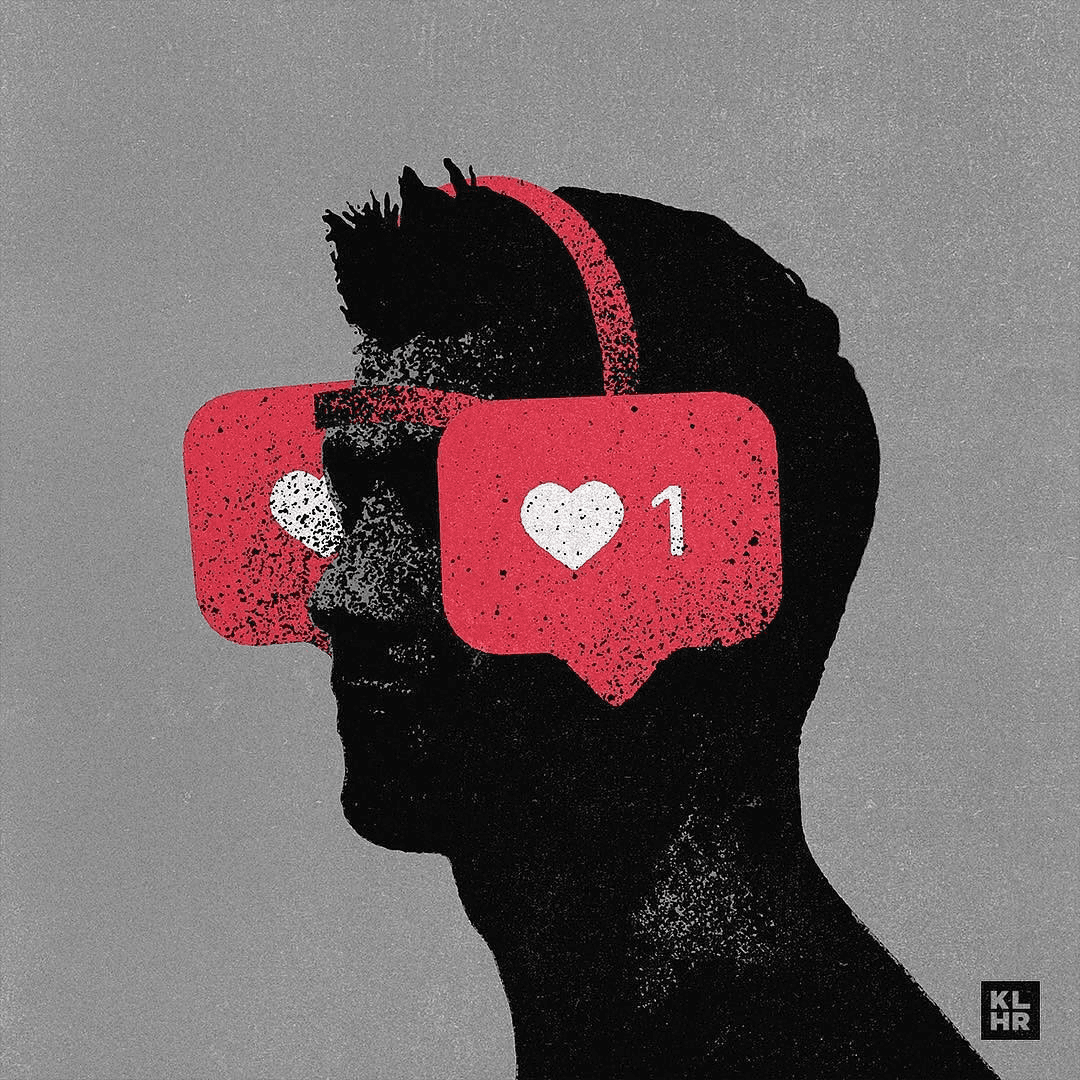
"Just run ads" is the answer that skips the hard part
Spend any time in music-marketing forums or a subreddit like r/musicmarketing and you'll hit the same advice on repeat: just run ads. Post more, boost it, put money behind it, and the listeners come.
Ads matter. I run them for a living. But "just run ads" skips the part that decides whether the ads work at all. Plenty of artists, labels, and managers pour real money into campaigns with no strategy underneath. The return shows it: small numbers and a dashboard full of metrics that never turn into a career.
Treating ads as the whole plan, instead of one piece of it, is how budgets get burned.

Streams aren't fans
The most common way a campaign fools you is vanity metrics. A big stream count or a jump in followers looks like progress. It might be worth nothing.
Are those streams from people who saved the song, added it to a playlist, checked your profile, came back next week? Or are they 30-second plays from a giant random playlist where the listener skips before the second chorus?
Real growth shows up in how people engage, more than in the raw number. I'd rather have a smaller audience that actually listens than a big one that scrolled past. Those engaged listeners are the only ones with long-term value, and they're the ones worth paying to reach. We split the numbers that flatter you from the ones that predict a release in two other posts: building fans, not just followers and the streaming metrics that actually matter.
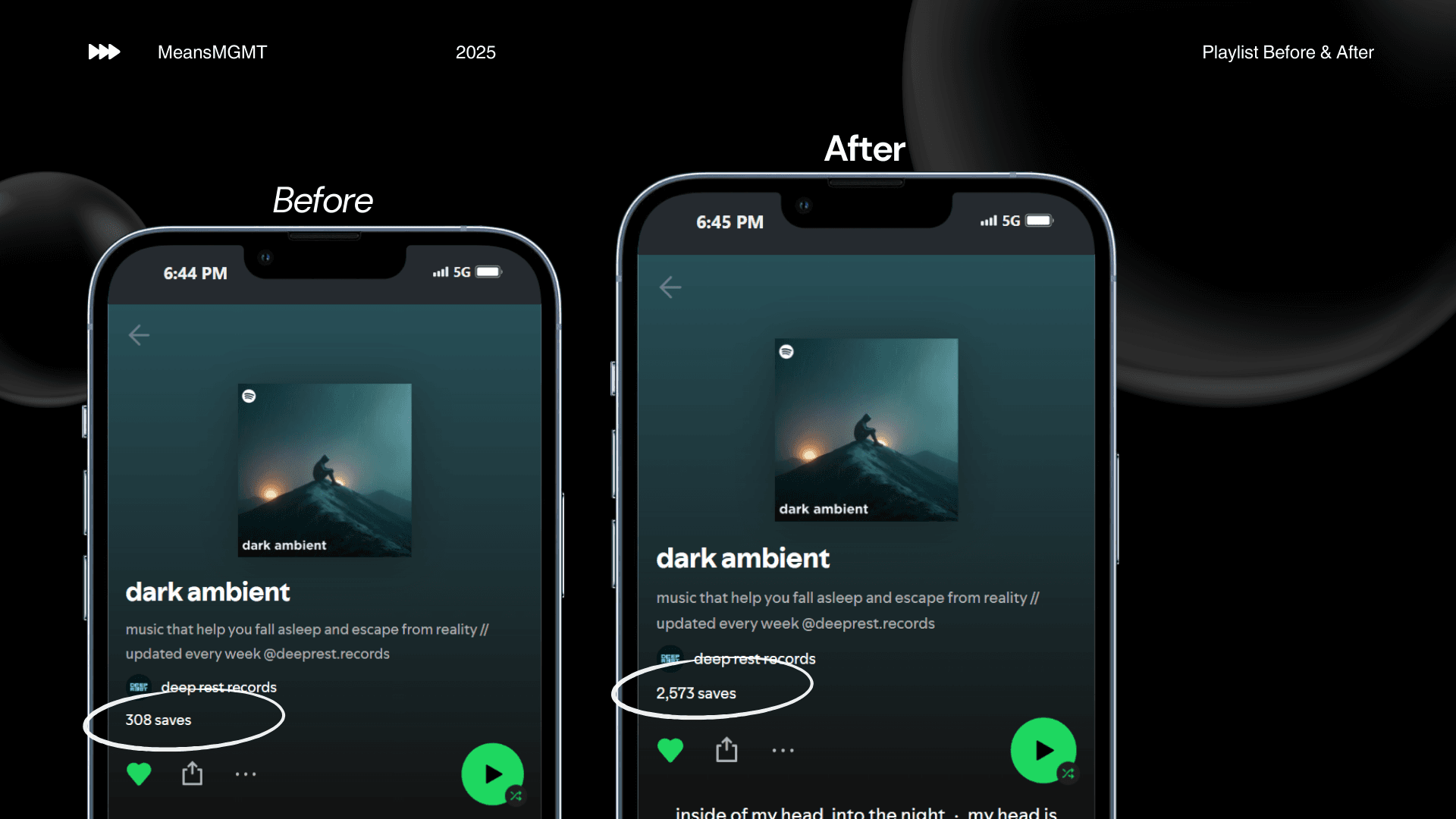
Get the foundation in place first (or alongside)
Ads amplify whatever you point them at. Point them at a weak foundation and you're paying to amplify noise. Before serious spend, or at least alongside your first test budget, get these in place.
Music that actually connects with the people you're trying to reach. That's the base, and no amount of spend fixes a song nobody saves.
A clear sense of who you are as an artist and who you're for. Ad targeting is only as good as your read on your own audience.
Content that gives people a reason to care beyond the track, and some plan for replying to comments and messages so listeners feel seen. Depending on your goals, that might also mean a working website, some merch, or a live plan.
Without those, ad spend usually buys expensive, temporary attention that leaves nothing behind.
Use the platforms, don't depend on them
Spotify, Instagram, TikTok, YouTube: you need them for discovery and reach, and you should use them hard. Building your whole thing on top of their algorithms and shifting rules is still a real risk. An algorithm changes, or a feature you leaned on gets deprecated, and the ground moves under you.
I'd use those platforms to move genuinely interested listeners toward things you own: a site and, above all, a direct line like an email list. Owning that relationship and the first-party data behind it gives you something rented platform space never will: stability that doesn't depend on someone else's roadmap.
Where paid ads actually pull their weight
Put ads inside a real strategy and they stop being just a reach tool and start being an intelligence tool.
They target specific niche audiences you've identified from research and data, instead of spraying budget at everyone. They optimize for high-value actions (playlist saves and adds, follows, email opt-ins, merch visits) instead of clicks or raw streams. They put money behind content that's already showing organic traction, so you're pushing what's working rather than forcing what isn't. And they retarget people who already engaged (a site visit, a save, a past purchase) with a follow-up that fits.
The quiet advantage of a well-run campaign is the data you keep. Anonymous streams from a third-party playlist teach you nothing about who listened. Targeted ads hand you demographics, interests, locations, behavior. That first-party data is what sharpens the next campaign and tells you who your real audience is. For the fuller case on why that spend earns its place, see why paid ads are essential for artists and labels.
Then vs now
In the 1970s, "making it" often meant a deal with a major that controlled manufacturing, distribution, and the gatekeepers who mattered, mainly radio programmers. Marketing meant broad, mass exposure.
Now distribution is basically free and open, but algorithms and platform curators are the new gatekeepers, the market is crowded, and reaching anyone takes real niche targeting. Getting to it takes an actual plan across content, community, data, and a few revenue ideas outside streaming. The goal, connecting with fans, hasn't changed. The mechanism has completely changed, and artists didn't get much say in how.
What I'd prioritize now
Leaning only on old moves, chasing a playlist for headlines or blasting a mass campaign purely to run up stream counts, works less and less for building something that lasts. What holds up is tracking real fan signals and building channels you own.
For artists and labels, I'd push past stream counts to the signals that show real connection: saves, personal playlist adds, completion rate, shares, and actual interactions. Those are what feed the algorithm in your favor and what mark a real fan.
Build audience you own. Grow an email list and use your site as the hub. Treat Spotify and social as funnels toward those owned channels, so you're less exposed to a third-party algorithm.
Stop guessing and track properly, past the basic platform dashboards, so you understand listener behavior, find the channels that work, and measure real ROI instead of hoping.
And for most creators, don't lean only on streaming royalties. Work in merch, physical product, ticketing, direct support like Patreon, and sync so the business isn't riding one revenue line.
For distributors and rights holders, adapting means looking past simple delivery too. Artists and labels increasingly need real marketing help, and offering or partnering for data insight and strategy is a way to stand out. So is passing back clean, accurate data that supports deeper analysis of how listeners behave across platforms.
Paid ads, aimed at targeted discovery or at pushing traffic to things you own, stay one of the better tools we've got; you can see that in our case studies. Their impact multiplies when they're in service of good music, a clear brand, steady content, and a real focus on direct relationships. Those are the campaigns that turn listeners into fans who stick around for the next release, and the one after that.
FAQ
Questions we get
If you have a release coming, start with two quick questions, about three minutes in total, and we’ll scope your campaign. Want the numbers first? The benchmarks report is free.

